Progressive Architecture Concepts: Exploring the Value of Skilled Architecture Services
Revolutionary design approaches serve a critical function in shaping modern environments. Through emphasizing functional sustainability, urban planners can craft areas that align with local requirements. Incorporating green materials and intelligent systems optimizes resource consumption while cultivating collaborative spaces. As design philosophies develop, they respond to the needs of inhabitants and reflect cultural traditions. A key inquiry persists: how do these elements converge to transform our built environments and improve quality of life?
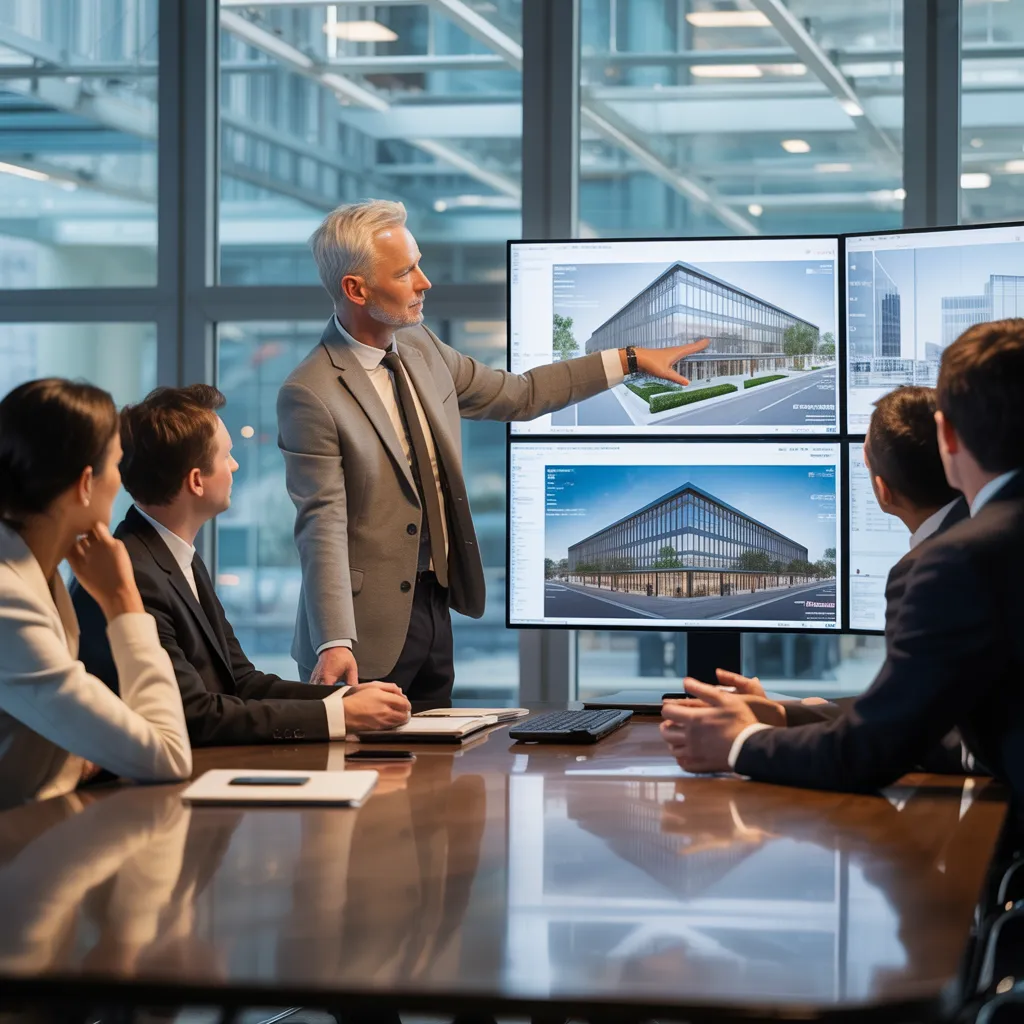
The Role of Architects in Creating Sustainable Spaces
Architects serve a crucial role in the creation of eco-friendly environments, significantly shaping the environmental impact of architectural landscapes. Their expertise allows for the incorporation of sustainable materials, sustainable energy systems, and forward-thinking design approaches that minimize resource consumption. By championing eco-conscious design, architects are able to develop structures that reduce carbon footprints and strengthen overall energy effectiveness.
Cooperation with engineers and environmental specialists is vital in this endeavor, guaranteeing that designs meet both aesthetic and functional criteria while adhering to sustainable practices. Moreover, architects thoughtfully evaluate the surrounding ecosystem, promoting biodiversity and incorporating natural elements that cultivate a symbiotic bond between built and natural environments.
With careful consideration, architects also advocate for the use of sustainable energy options, such as wind or solar energy, which additionally advances sustainable objectives. In the end, their responsibilities reach far beyond building; architects transform the trajectory of city environments by nurturing a focus on responsible design and environmental stewardship.
Top Innovations in Architectural Design That Enhance Functionality
Several breakthroughs in architectural design are transforming the functionality of today's built environments. One significant breakthrough is the integration of smart technology, allowing buildings to adapt to users' needs through automated lighting, climate control, and security systems. This enhances energy efficiency and user comfort.
In addition, modular construction techniques are gaining traction, facilitating more rapid construction and improved design adaptability. These structures can be easily reconfigured or expanded, making them suitable for connected information various uses.
Biophilic architecture, which weaves elements of nature into building design, enhances well-being and productivity, fostering a connection between occupants and the spaces they inhabit.
In addition, open-concept floor plans are growing in popularity, creating versatile spaces that can accommodate a variety of activities.
Lastly, green materials are being incorporated not only for their environmental benefits but also for their attractive appearance and resilience, elevating the general efficiency of modern constructions. Collectively, these developments result in more versatile and optimized architectural outcomes.
How Design Brings Communities Together
Architecture serves a fundamental purpose in nurturing connections within residential areas, creating settings that encourage interaction and communication among inhabitants. Carefully planned green spaces, open areas, and community zones function as vital social hubs, encouraging social engagement and a feeling of community. Design elements such as expansive floor plans and multifunctional spaces facilitate possibilities for local activities and activities, improving the general well-being.
Furthermore, designs that embrace local heritage and history create a distinctive sense of identity, allowing residents to feel more connected to their surroundings. By emphasizing accessibility and inclusivity, architects guarantee that every person, regardless of age or physical ability, can participate in community life.
The incorporation of natural features, such as verdant areas and communal spaces, additionally elevates the neighborhood experience, giving residents a retreat and an area for mutual enjoyment. Ultimately, thoughtful architectural design not only shapes physical spaces but also nurtures the relationships that bind communities together.
Improving Energy Efficiency Through Skilled Architecture
A notable change towards energy conservation is transforming the architectural landscape, fueling the development of groundbreaking solutions that minimize environmental consequences. Skilled architectural expertise have a critical part in this change by integrating eco-friendly approaches into the design process. These architecture specialists evaluate patterns of energy use and apply cutting-edge materials, such as superior insulation systems and energy-efficient windows, to reduce climate control requirements.
Furthermore, the inclusion of green energy systems, like solar installations and geothermal technologies, not only minimizes fossil fuel consumption but also decreases operating expenses for property managers. Modern smart building solutions further enhance building energy efficiency, enabling real-time energy monitoring and usage adjustments.
Through meticulous planning and innovative design, professional architects create spaces that not only comply with stringent environmental standards but also foster long-term sustainability. This emphasis on energy efficiency ultimately contributes to a healthier planet and more resilient communities, underscoring the vital role of architecture in tackling climate change.
Remarkable Urban Landscape Changes
One notable example involves the rejuvenation of neglected waterfront districts into thriving leisure spaces, equipped with parks, walking paths, and cultural attractions. Such transformations do more than improve the scenery, as they also invigorate local economies by bringing in tourists and business opportunities.
Moreover, successful urban development acknowledges the unique features of a community, confirming that every change embodies its history and culture. This individualized approach cultivates a feeling of community among community members, motivating care for the environment. At its core, successful urban landscape transformations showcase the power of urban planning to redefine city living and support environmentally conscious communities.
What's Next for Innovative Architecture?
How can innovative architecture continue to adapt and respond to the evolving needs of society? With urban landscapes becoming ever more intricate, architects face the critical task of tackling key challenges including sustainability, affordability, and social equity. Cutting-edge technologies, such as artificial intelligence and advanced materials, present fresh opportunities for design, facilitating more streamlined construction methods and improved energy efficiency.
Moreover, architects are continually collaborating with a wide range of stakeholders, from local residents to ecology specialists, guaranteeing that plans embody the principles and demands of those who rely on them. Such an inclusive strategy cultivates resilience, empowering constructions to withstand changing climate conditions and societal demands.
Additionally, the incorporation of biophilic architectural principles supports human well-being, connecting inhabitants with nature. As the architectural profession progresses, the pursuit of forward-thinking solutions will remain paramount, driving the profession to design environments that are both functional and transformative for future generations.
Answers to Your Most Common Questions
How Do Architects Partner With Engineers on Projects?
Engineers and architects work together by integrating design concepts with technical requirements, ensuring structural integrity and functionality. Scheduled meetings promote effective dialogue, permitting both parties to resolve issues and improve project results through collaborative knowledge and creative approaches.
What Are the Costs Associated With Hiring an Architect?
The expenses involved in engaging an architect typically include design costs, project oversight fees, and possible extra charges for on-site visits or consultations. These costs can vary considerably depending on the complexity of the project and its location.
How Long Does the Architectural Design Process Typically Take?
The architecture design workflow usually spans several months, based on project scope and the requirements of the client. Factors such as permit approvals, design revisions, and coordination with contractors may also affect the entire project schedule, often extending the duration considerably.
Are Architects Able to Assist With Zoning and Permit Applications?
Indeed, architects are able to help with permit and zoning applications. Their knowledge helps manage complex regulations and secures compliance with local codes, expediting the approval process and increasing the likelihood of receiving the needed permits for construction projects.
What Qualifications Should I Consider When Choosing an Architect?
When selecting an architect, one should prioritize qualifications such as relevant experience, proper licensing, educational background, effective communication abilities, and a portfolio showcasing creativity and problem-solving skills. Specializations may also be relevant depending on project needs.